Overview
Census Bureau–designated regions and divisions are geographic classifications created by the United States Census Bureau to organize and present statistical data across the country. These groupings divide the United States into four major regions and nine subordinate divisions. They are used exclusively for statistical and analytical purposes and do not confer political or administrative authority.
The regional system enables consistent comparison of demographic, economic, housing, and social data across broad geographic areas. While the boundaries often reflect historical settlement patterns, economic linkages, and cultural similarities, they are primarily designed for data standardization and statistical reporting.
🗺️ Historical Development
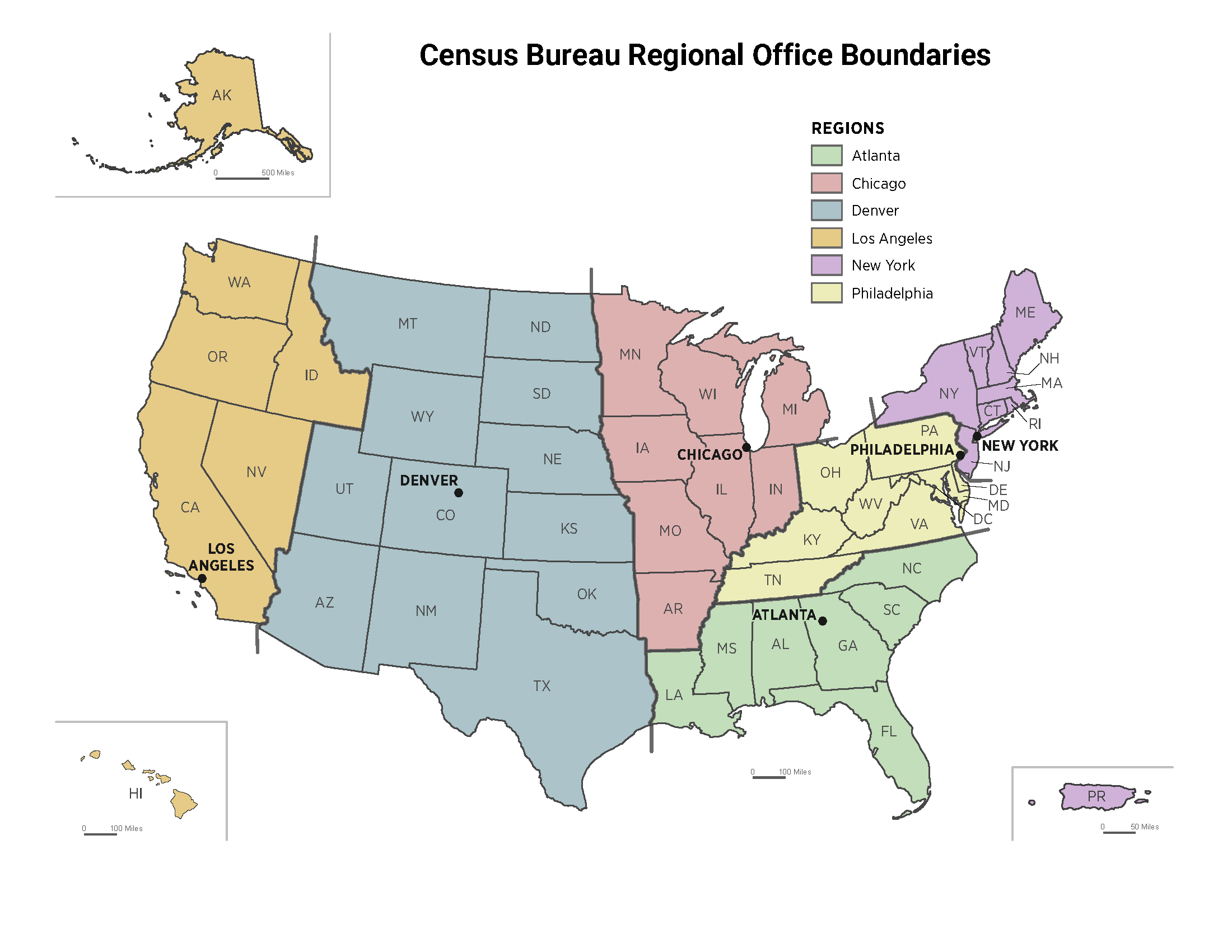

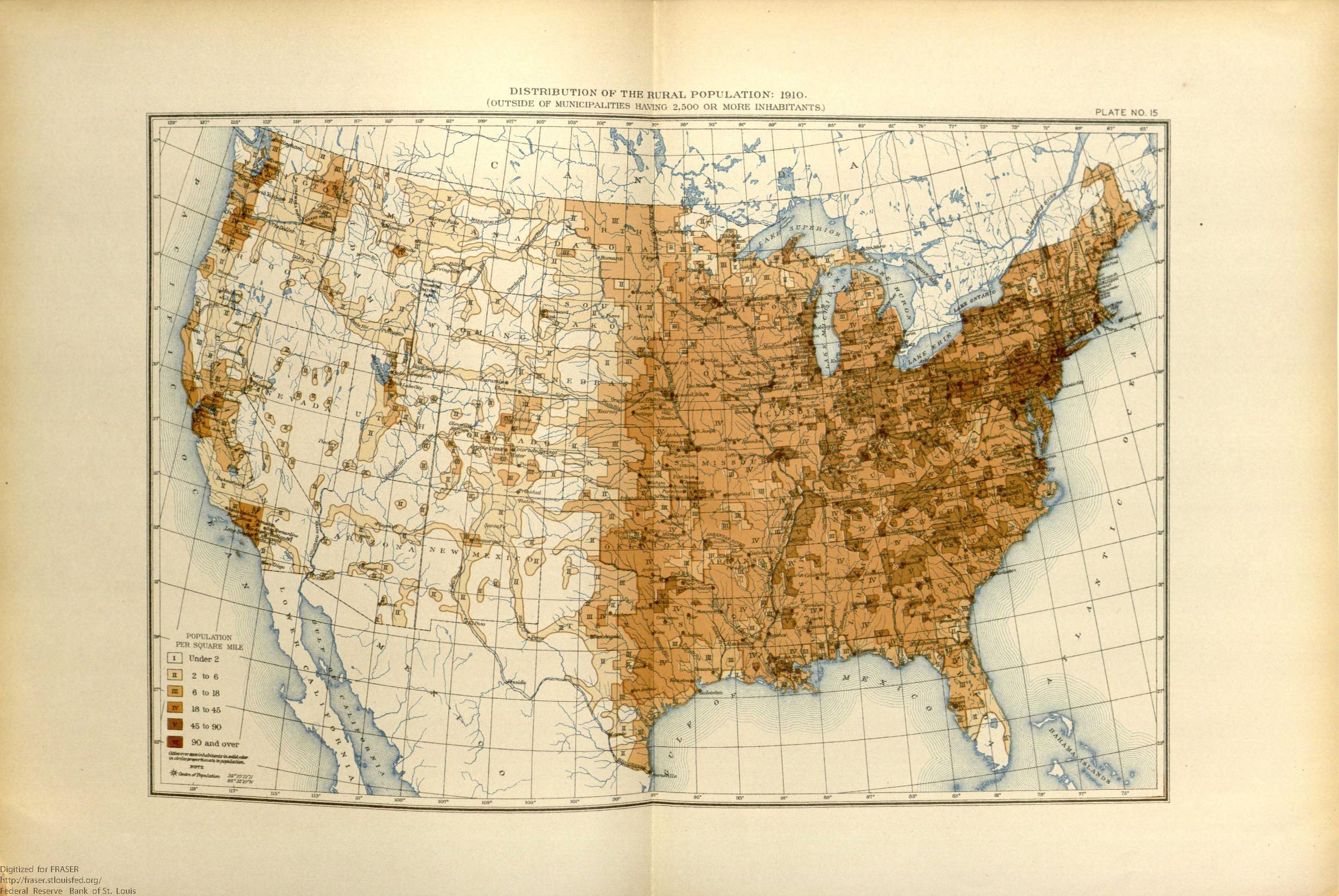
The modern regional structure was formalized in the early twentieth century as federal statistical reporting expanded in scope and complexity. The United States Census Bureau, established permanently in 1902, sought a consistent framework for aggregating data.
The four-region, nine-division model has remained largely stable since 1910. Although political boundaries at the state level are fixed, regional classifications are administrative constructs and may differ from cultural or colloquial definitions of regions such as “Midwest” or “South.”
🌎 The Four Census Regions
The United States is divided into four principal regions:
1. Northeast
Composed of the New England and Middle Atlantic divisions. This region includes states such as Maine, Massachusetts, New York, and Pennsylvania. It is characterized by early colonial settlement, dense urban development, and significant financial and educational institutions.
2. Midwest
Composed of the East North Central and West North Central divisions. States include Illinois, Ohio, Michigan, Minnesota, and Missouri. Historically associated with manufacturing, agriculture, and inland waterways, the Midwest occupies the central portion of the country.
3. South
Composed of the South Atlantic, East South Central, and West South Central divisions. This is the largest region by number of states, including Texas, Florida, Georgia, and Tennessee. The South displays substantial economic and demographic diversity.
4. West
Composed of the Mountain and Pacific divisions. It includes states such as California, Washington, Arizona, and Colorado. The West contains extensive federal lands, major metropolitan centers, and rapidly growing population areas.
📊 The Nine Census Divisions
Each region is further subdivided into divisions for more granular statistical reporting:
Northeast Region
- New England: Connecticut, Maine, Massachusetts, New Hampshire, Rhode Island, Vermont
- Middle Atlantic: New Jersey, New York, Pennsylvania
Midwest Region
- East North Central: Illinois, Indiana, Michigan, Ohio, Wisconsin
- West North Central: Iowa, Kansas, Minnesota, Missouri, Nebraska, North Dakota, South Dakota
South Region
- South Atlantic: Delaware, Florida, Georgia, Maryland, North Carolina, South Carolina, Virginia, West Virginia, District of Columbia
- East South Central: Alabama, Kentucky, Mississippi, Tennessee
- West South Central: Arkansas, Louisiana, Oklahoma, Texas
West Region
- Mountain: Arizona, Colorado, Idaho, Montana, Nevada, New Mexico, Utah, Wyoming
- Pacific: Alaska, California, Hawaii, Oregon, Washington
These divisions allow federal agencies and researchers to detect patterns that might be obscured at the national level.
📈 Statistical Purpose and Application
Census regions and divisions serve multiple functions:
- Standardizing federal statistical reporting
- Facilitating economic and demographic comparisons
- Supporting public policy analysis
- Guiding allocation studies for federal programs
- Enabling longitudinal research across consistent geographic units
Examples of frequently reported metrics by region include:
- Population growth rates
- Migration patterns
- Income levels
- Housing construction trends
- Employment statistics
Because these classifications are widely adopted, many federal agencies and private research institutions rely on the same framework for consistency.
⚖️ Distinction from Cultural Regions
Census Bureau regions do not always align with cultural or historical understandings of American geography. For example:
- The Census “South” includes Maryland and Delaware, which are sometimes culturally associated with the Mid-Atlantic.
- The “West” includes Alaska and Hawaii, despite their geographic separation from the contiguous states.
- The Midwest includes both industrial Great Lakes states and largely agricultural Plains states.
These differences reflect the statistical, rather than cultural, purpose of the system.
🏛️ Relationship to Federal Governance
Census Bureau regions have no administrative authority. They do not function like states, counties, or congressional districts. Instead, they exist to support:
- The decennial census
- The American Community Survey
- Economic censuses
- Federal data dissemination
Although other federal agencies may adopt similar regional classifications, they are not constitutionally recognized governmental units.
Last Updated on 1 month ago by pinc